The modern cruising industry has evolved far beyond the traditional week-long trip to the Caribbean. Today, travelers are presented with two fundamentally different ways to explore the world by water: the sprawling, action-packed mega-ships of the ocean, and the sleek, culturally immersive longships that navigate the world’s inland waterways.
While both involve unpacking just once and waking up in a new destination, the similarities end there. Choosing between an ocean cruise and a river cruise is not merely a matter of picking a geographic region. It is about deciding what kind of traveler you want to be on your vacation. Understanding the distinct rhythms, atmospheres, and logistical realities of each style is the only way to ensure your investment matches your expectations.
The Scale of the Ship and the Onboard Atmosphere
The most immediate difference between these two experiences is the sheer size of the vessel, which completely dictates the onboard culture and daily pace of the trip.
Ocean Cruising: The Floating Resort
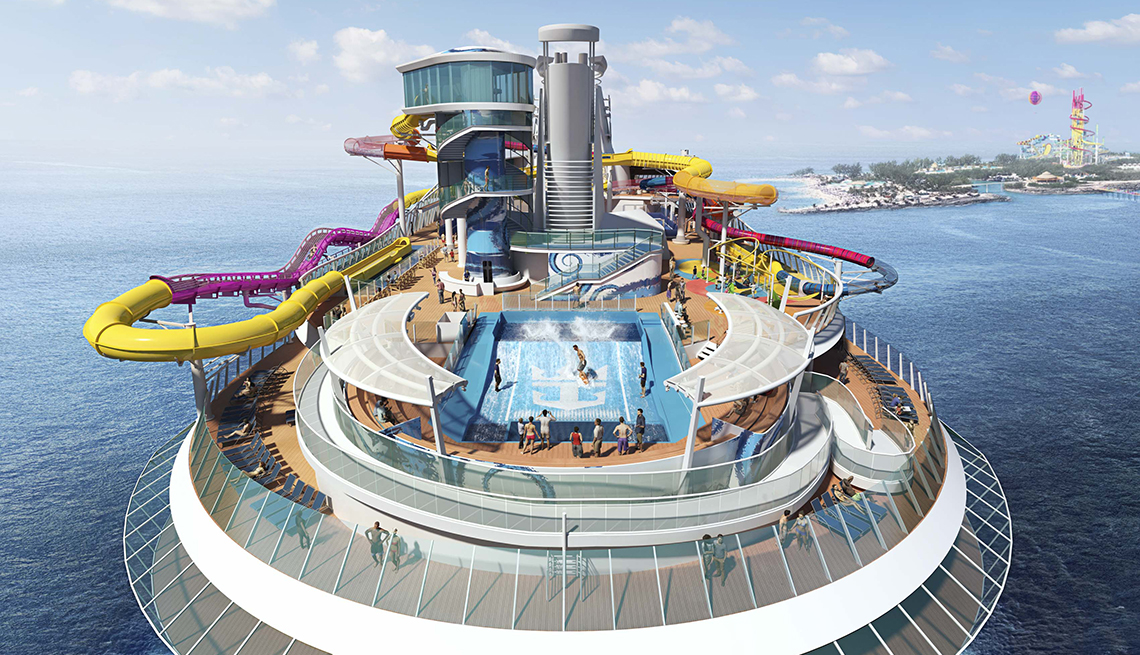
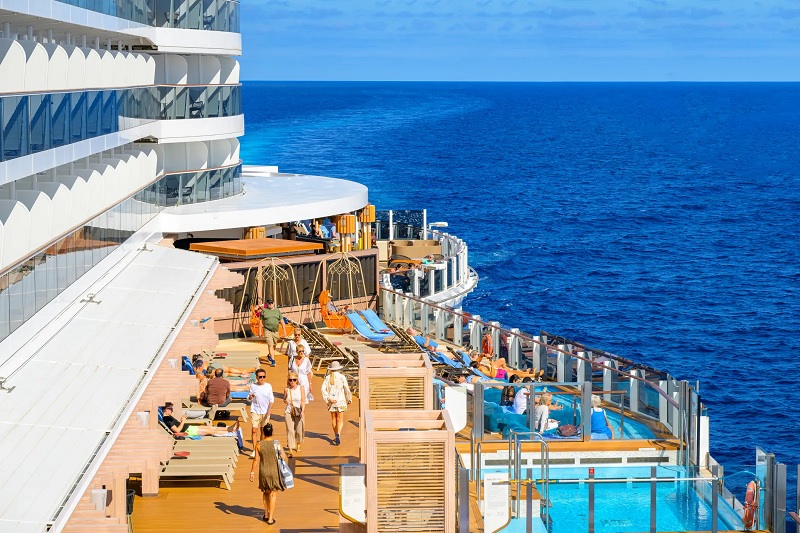
Modern ocean liners are engineering marvels designed to function as self-contained floating cities. It is common for these massive ships to carry anywhere from three thousand to nearly seven thousand passengers, supported by thousands of crew members.
If you view the ship itself as a primary destination, an ocean cruise is unmatched. The atmosphere is high-energy, bustling, and heavily geared toward constant entertainment. Because of their immense size, you can spend an entire week at sea and never see the same passenger twice. The sheer scale allows for sprawling multi-level promenades, massive central atriums, and quiet adults-only retreats located just decks away from chaotic family pool zones.
River Cruising: The Intimate Boutique Hotel
River cruise ships are constrained by the physical geography of the waterways they navigate. They must be narrow enough to pass through historic canal locks and low enough to slide under centuries-old stone bridges. Consequently, a typical river ship accommodates a maximum of one hundred and fifty to two hundred passengers.
This creates a highly intimate, subdued environment that feels closer to a luxury boutique hotel than a mega-resort. There are no crowds, no lines to disembark, and no fighting for a lounge chair on the sun deck. Within two days, the bartender will know your favorite drink, the cruise director will greet you by name, and you will likely recognize every fellow passenger on board. The atmosphere is quiet, conversational, and distinctly relaxed.
Itineraries, Ports, and Shore Excursions
How you interact with your destinations varies wildly depending on whether you are sailing across an ocean or gliding down a river.
Conquering the Open Sea and Island Hopping
Ocean itineraries are defined by their grand scale. They cover vast distances, hopping between Caribbean islands, navigating the dramatic fjords of Alaska, or crossing the Mediterranean. Because of this scale, ocean cruises always include days at sea. For many travelers, these sea days are a highlight, offering a chance to disconnect completely while surrounded by an endless horizon.
However, the size of ocean vessels creates logistical hurdles at port. Mega-ships must dock at deep-water industrial ports, which are often located miles outside of the actual city center. Reaching the heart of destinations like Rome or Florence from an ocean port often requires a lengthy bus ride or a train commute. In smaller ports, the ship may have to drop anchor offshore, requiring passengers to take small tender boats to the pier, which can consume valuable exploration time.
Sailing Through the Heart of the Continent
River cruising offers a surgical approach to travel. Ships navigate inland waterways like the Danube, the Rhine, or the Mekong, slicing directly through the interior of a country. You are never out of sight of land; you can sit on your balcony and watch medieval castles, terraced vineyards, and tiny villages drift past.
The greatest logistical advantage of a river cruise is the docking location. Riverboats tie up right on the cobblestones of historic city centers. You can literally step off the gangway and find yourself two blocks from a Gothic cathedral or a local Christmas market. Excursions are heavily focused on cultural immersion, history, and architecture, with local expert guides leading walking tours directly from the ship.
Dining and Entertainment Philosophies
Your culinary and entertainment expectations should heavily influence your booking decision, as the two cruising styles take entirely different approaches to hospitality.
Abundance and Endless Options
Ocean cruises operate on a philosophy of abundance. A single ship might feature over twenty different dining venues, ranging from massive buffet halls and formal main dining rooms to specialty steakhouses, sushi bars, and celebrity-chef-branded restaurants. The entertainment is equally spectacular. Ocean liners boast Broadway-style theatrical productions, ice skating shows, full-scale casinos, comedy clubs, and late-night discotheques. If you want to eat a slice of pizza at two in the morning after playing blackjack, an ocean cruise will accommodate you.
Regional Flavors and Cultural Enrichment
River ships simply do not have the physical space for two dozen restaurants or a three-story theater. Instead, they focus on quality, regionality, and cultural enrichment. Most river ships feature one elegant main dining room and perhaps a smaller, casual lounge.
The culinary team heavily utilizes local ingredients sourced from the ports along the route. If you are sailing through the Bordeaux region of France, you will be served local duck confit and regional wines. Entertainment on a river cruise is low-key and culturally focused. Rather than a pyrotechnic stage show, the cruise director might bring a local string quartet, a regional historian, or a folk dancing troupe onboard for an evening performance in the main lounge.
Demographics and the Overall Vibe
Ocean cruises are inherently multi-generational. With sprawling kids’ clubs, water slides, arcade rooms, and teen lounges, they are the ultimate choice for large family reunions where travelers of vastly different ages need to be entertained simultaneously.
River cruises cater almost exclusively to an older, adult demographic. You will rarely find children on a standard river cruise, as there are no dedicated facilities, pools, or programs to entertain them. The vibe is geared toward mature travelers, retirees, and couples who prioritize wine tasting, historical tours, and quiet scenic cruising over high-adrenaline activities.
Value and Inclusions: Decoding the Price Tag
When comparing prices, it is critical to look beyond the initial booking rate. Ocean cruises generally advertise a much lower base fare. However, this is often a la carte pricing. You will likely pay extra for alcoholic beverages, specialty dining, Wi-Fi, and shore excursions. By the end of the week, your onboard bill can easily double the cost of your original ticket.
River cruises present a higher upfront sticker price, but they operate on a nearly all-inclusive model. The initial fare almost always covers a daily shore excursion in every port, unlimited Wi-Fi, and beer and wine with lunch and dinner. When you disembark a river cruise, your final bill is typically negligible, making it much easier to budget for the total cost of the vacation in advance.
Ultimately, the choice between the ocean and the river comes down to your primary motivation for traveling. If you want a floating resort packed with endless activities, diverse dining, and the majesty of the open sea, an ocean cruise is the perfect fit. But if your goal is to immerse yourself in the history of a region, step directly into the heart of ancient cities, and enjoy a quiet, highly personalized travel experience, a river cruise is exactly where you belong.