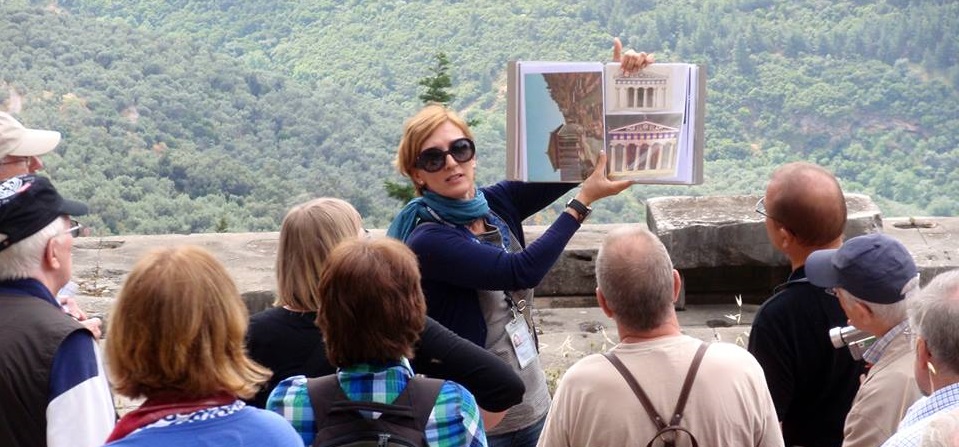
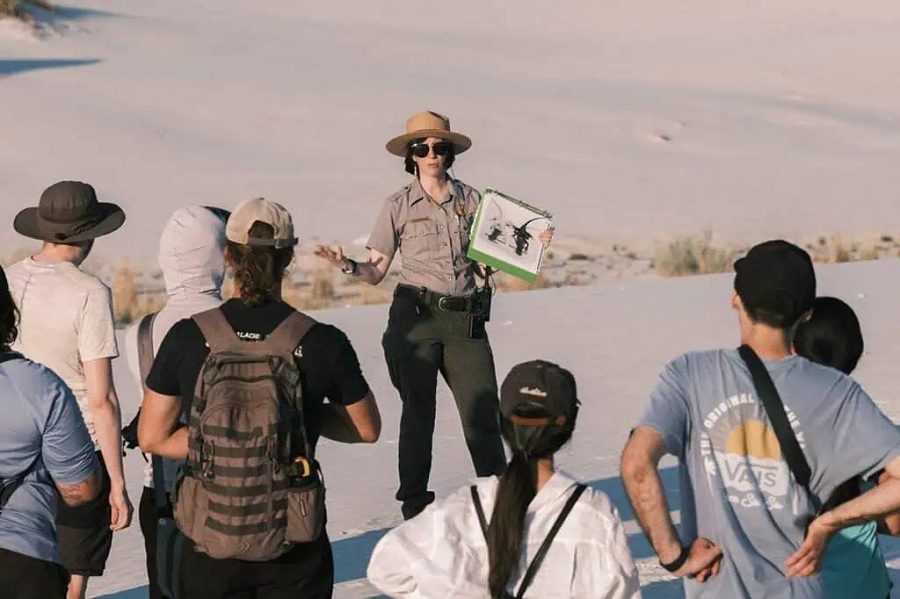
Group travel always appears effortless when it is working properly. The guests experience a seamless progression of perfectly timed museum entries, waiting motorcoaches, and smoothly coordinated hotel check-ins. However, anyone who has worked in the travel industry knows that this outward tranquility is an illusion. Behind the scenes, leading a group tour is an exercise in controlled chaos.
When a highway washes out, a guest loses a passport, or a sudden labor strike shuts down a national rail system, the carefully printed itinerary becomes entirely useless. In these moments, professional tour guides transition from historical storytellers into high-stakes crisis managers. Handling these unexpected challenges requires a unique combination of logistical foresight, emotional intelligence, and rapid-fire problem-solving.
The Myth of the Perfect Itinerary
No matter how meticulously a travel agency maps out a route, reality will inevitably introduce friction. Traffic patterns change, tourist sites experience sudden overcrowding, and mechanical failures occur. Experienced guides anticipate this friction long before the tour bus ever leaves the parking lot.
Implementing Invisible Buffer Zones
To prevent minor delays from snowballing into itinerary-destroying disasters, guides employ a tactic known as time padding or creating invisible buffer zones. If a museum tour requires the group to leave the hotel at 9:00 AM, the guide will establish a mandatory call time of 8:45 AM. If a scenic drive historically takes two hours, the guide mentally budgets three hours for the transit. The guests are never made aware of this padding. To them, the trip feels leisurely and relaxed, but the guide is strategically using these hidden margins to absorb latecomers, sudden bathroom emergencies, or unexpected traffic congestion without ever falling behind the actual schedule.
Containing the Contagion of Panic
When a severe disruption strikes, the logistical problem is often secondary to the psychological one. A group of thirty tired, hungry travelers far from home can quickly devolve into a frustrated mob if they sense that the person in charge has lost control.
The Swan Technique
In the hospitality industry, the standard approach to crisis management is often referred to as the swan technique: gliding smoothly and elegantly above the surface while paddling furiously underneath. When a major train connection is canceled, the guide cannot afford to show frustration. Their immediate job is emotional regulation.
By maintaining a calm, authoritative, and mildly unbothered demeanor, the guide prevents the contagion of panic from spreading through the group. They will often sequester themselves to make the frantic phone calls to local dispatchers, rebook tickets, or negotiate with transit authorities, returning to the group only to present the newly solved plan as if it were a minor, routine adjustment. Controlling the narrative of the disruption is just as important as fixing the disruption itself.
Medical Emergencies and Triage on the Move
Health issues are the most unpredictable variable in group travel. From minor bouts of food poisoning to severe injuries on cobblestone streets, medical emergencies force a guide to instantly split their attention between the individual in crisis and the rest of the tour group.
The Power of the Local Network
A tour guide cannot pause a week-long vacation for twenty-nine people because one person needs to visit an urgent care clinic. To handle this, professionals rely heavily on a pre-established network of local fixers. Instead of dragging the entire group to a hospital waiting room, a seasoned guide will instantly delegate.
They will utilize a trusted local co-guide, a reliable hotel concierge, or a regional company representative to accompany the injured guest, translate medical terminology, and arrange their eventual transport back to the hotel. Meanwhile, the primary guide keeps the rest of the group moving forward on the itinerary. This strict compartmentalization ensures the affected traveler receives dedicated care while protecting the vacation investment of the remaining group members.
Navigating Geopolitical and Environmental Disruptions
Sometimes the challenge is not isolated to the group, but rather a massive external event. Flash floods can close essential mountain passes, regional wildfires can blanket a destination in smoke, and political protests can completely lock down a city center.
Activating the Shadow Itinerary
A hallmark of an elite tour guide is the possession of a shadow itinerary. This is a mental catalog of backup destinations, secondary driving routes, and unlisted local attractions that can be deployed at a moment’s notice.
If a labor strike closes the Louvre in Paris, an amateur guide will simply inform the group that they have three hours of unexpected free time. A professional guide will immediately pivot, utilizing their local connections to secure entry into a lesser-known but equally fascinating venue, such as the Musée Jacquemart-André, or arranging an impromptu architectural walking tour of a historic neighborhood. The goal is to ensure the guests feel they are receiving a rare, exclusive experience rather than a compromised backup plan.
The Apology Economy and Psychological Recovery
Even with the best crisis management, some disruptions inevitably cause discomfort. A bus with a broken air conditioning system in the dead of summer will bruise morale, regardless of how quickly a replacement vehicle is sourced.
To repair the group’s dynamic, guides leverage the company’s emergency funds to engage in the apology economy. This involves introducing spontaneous, unadvertised perks to reframe the memory of the hardship. A complimentary round of local wine at dinner, an unexpected stop at a famous local bakery, or paying out of pocket for a premium viewing area later in the trip can completely erase the resentment of a brutal travel day.
Ultimately, the true value of a professional tour guide is rarely found in their ability to memorize historical dates or point out famous monuments. Their actual worth is proven in the margins of the trip, in those chaotic moments when the plan falls apart. By acting as a shock absorber for the unpredictable realities of global travel, they allow their guests to remain happily insulated in the magic of the journey.