
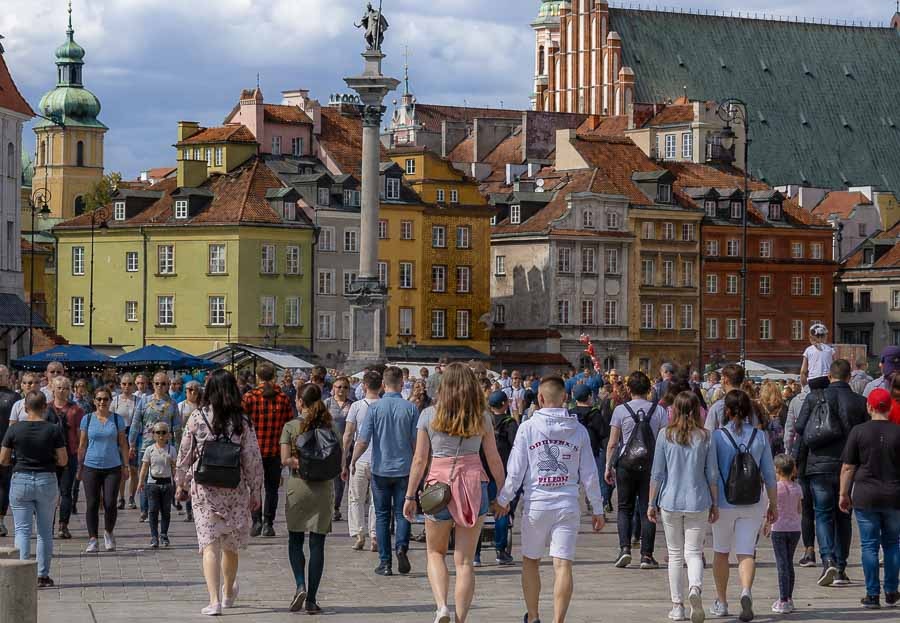
The modern travel landscape suffers from a severe case of algorithmic homogenization. The moment a secluded beach or a charming mountain village gains a hint of digital traction, it is swiftly cataloged, reviewed, and served up to millions of prospective travelers. Before long, the quiet escape is transformed into a bustling epicenter of overtourism, complete with inflated prices and endless queues. For those who travel to disconnect and experience authentic local culture, this presents a significant challenge.
Finding a genuine hidden gem today requires more than just scrolling through standard travel blogs or relying on global booking platforms. It requires a deliberate shift in how you research, plan, and physically navigate the globe. To escape the crowds, you have to embrace a contrarian approach to vacation planning and deliberately seek out the blind spots of mass tourism.
Shift Your Geographic Search Radius
The most common mistake travelers make is flying into a major international hub and staying within a thirty-mile radius of the airport. Capital cities and flagship resort towns are engineered to capture and hold tourist attention. To find the quieter alternatives, you need to recalibrate your map.
The Second-City Strategy
Instead of booking a stay in the nation’s capital, look for the second or third largest city in the region, or the provincial capitals. These urban centers often boast the same rich architectural heritage, culinary traditions, and cultural depth as the primary tourist hubs, but they cater to locals rather than international visitors. Because they lack the global brand recognition of the capital, the tourism infrastructure is less aggressive, resulting in a more relaxed and authentic atmosphere.
Following the Commuter Trails
Another highly effective geographic tactic is to find out where the residents of the major tourist hubs go for their own weekend getaways. A local living in a crowded, high-traffic coastal city does not spend their days off fighting through tourist crowds; they drive two hours inland to a quieter lake, or take a regional train to an understated coastal town in the next province over. By identifying these domestic escape routes, you can bypass the international crowds and tap into the regions that locals actually prefer.
Re-engineer Your Digital Research
If you use the same search engines, the same language, and the same review platforms as everyone else, you will inevitably end up at the exact same destinations. Breaking away from the crowds means changing your digital inputs.
Abandon the Global Review Giants
Platform algorithms are designed to surface the most frequently reviewed and highly rated locations. This creates a feedback loop where the most crowded places continue to attract the most attention. To bypass this, ignore the top ten lists entirely. Instead, dive into niche hobby forums. If you want to find an untouched coastal town, read through regional surfing or sailing forums. If you are looking for a secluded mountain retreat, look at where local amateur astronomers go for dark skies, or where regional hiking clubs schedule their off-season meets.
The Translation Manipulation Technique
One of the most powerful tools for finding hidden destinations is searching in the local language. When a region is heavily dependent on international tourism, all of its marketing materials, rental listings, and restaurant menus are translated into English. Places that remain hidden usually only market themselves to domestic travelers. Use translation tools to convert terms like “quiet cabin rental,” “weekend getaway,” or “secluded beach” into the native language of your target country, and run your searches using those localized phrases. You will instantly bypass the international marketing machinery and uncover the booking sites and properties used by the locals.
Embrace the Friction of Logistics
Convenience is the ultimate catalyst for crowds. If a destination can be reached via a direct, low-cost flight and a ten-minute taxi ride, it is already oversaturated. The key to finding isolation is deliberately introducing friction into your travel logistics.
The No-Direct-Flight Rule
Make it a personal rule to seek out destinations that require at least two distinct modes of transportation to reach. If you have to fly into a regional airport, take a two-hour train ride, and then catch a local ferry to reach a particular island, you can guarantee that ninety percent of casual tourists will have dropped off the map long before arrival. The effort required to reach a destination acts as a natural barrier to entry, filtering out the masses and preserving the local character of the location.
Independent Transportation
Relying on group tours or standardized shuttle routes traps you in the established tourist corridors. Renting an independent mode of transport, whether it is a car, a motorcycle, or even a bicycle, is essential for authentic exploration. Having your own wheels allows you to ignore the designated stops and pull into the unnamed villages, roadside diners, and unmarked trailheads that never make it onto a guided itinerary.
The Language Barrier as a Filter
Many travelers feel anxious about visiting places where they do not speak the language, actively seeking out resorts and cities where English is universally spoken. However, a strong language barrier is actually an excellent indicator that you have successfully escaped the tourist bubble.
When you find a destination where restaurant menus lack English translations and hotel staff primarily speak the regional dialect, you have found a place that has not yet compromised its identity for the sake of international commerce. Navigating these spaces requires a bit of patience, a translation app, and a willingness to rely on non-verbal communication, but the reward is a travel experience completely insulated from the manufactured environments of global tourism.
Ultimately, discovering a hidden destination is about adopting the mindset of an explorer rather than a consumer. It requires you to look past the heavily marketed highlights, accept a slightly steeper learning curve, and find the quiet corners of the map where the authentic pulse of a region still beats undisturbed.


