
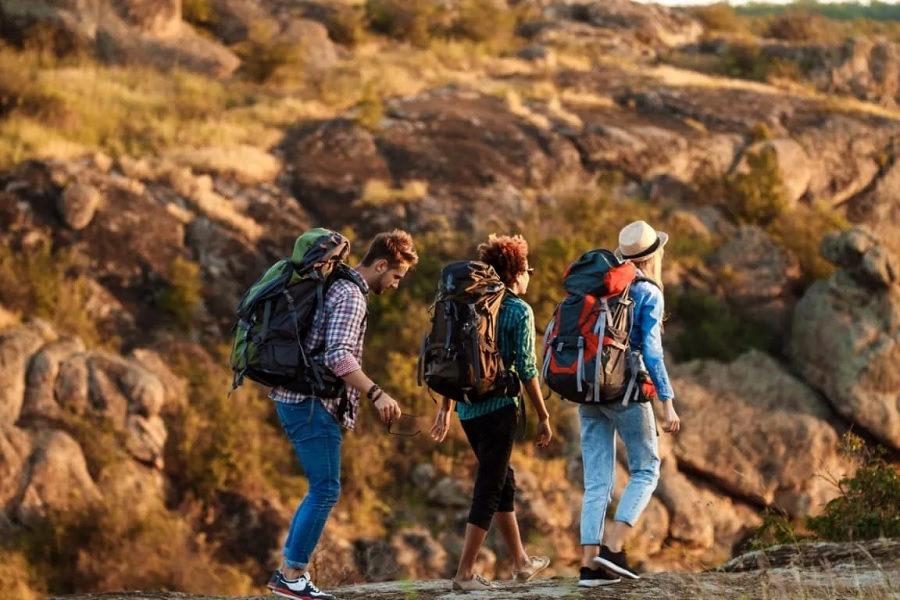
For a specific breed of traveler, a flat horizon is fundamentally uninspiring. While millions flock to coastal resorts and tropical beaches to unwind, mountain enthusiasts seek out environments that demand physical effort, geographic respect, and a willingness to embrace the elements. The draw of the high alpine is not just about the view from the summit; it is about the scale of the environment, the crispness of the thin air, and the quiet isolation found above the tree line.
However, not all mountain ranges offer the same experience. Some provide deeply entrenched cultural histories and luxury infrastructure, while others offer raw, untamed wilderness that requires complete self-sufficiency. For those who design their travel itineraries around topography, choosing the right destination comes down to matching the landscape with the desired style of exploration.
The North American Giants: Rugged and Accessible Wilderness
North America offers some of the most accessible large-scale wilderness in the world. The mountains here are characterized by massive protected park systems, well-maintained trail networks, and landscapes heavily shaped by recent glacial activity.
The Canadian Rockies, Alberta
There is a distinct, aggressive verticality to the Canadian Rockies that separates them from other North American ranges. Straddling the border of British Columbia and Alberta, the national parks of Banff and Jasper contain valleys carved so deeply by ancient ice that the surrounding peaks appear to jut straight up from the forest floor.
Exploring this region often revolves around the Icefields Parkway, a high-altitude highway that connects the two parks. For hikers and climbers, the draw is the combination of immense limestone peaks and violently turquoise glacial lakes. Trails here range from accessible boardwalks around Lake Louise to grueling, multi-day backcountry traverses over high alpine passes where human encounters are replaced by grizzly bear sightings.
The San Juan Mountains, Colorado
While Colorado’s Front Range draws the majority of the state’s tourism, the San Juan Mountains in the southwest corner of the state offer a much more dramatic and less crowded alpine experience. Often referred to as the Switzerland of America, the San Juans are characterized by their jagged, volcanic ridges and heavily mineralized rock faces that streak the mountains in vibrant reds and yellows.
Exploration here is unique due to the remnants of the region’s 19th-century silver mining boom. A vast network of incredibly steep, narrow dirt roads cuts through the high alpine tundra. Today, these historical utility routes provide hikers, trail runners, and off-road drivers with unprecedented access to mountain passes sitting well above 12,000 feet, offering a rugged, high-altitude playground that is completely unique to the American West.
The European Alps: High-Altitude Culture and Comfort
European mountain travel offers something completely antithetical to the North American wilderness experience: centuries of high-altitude human habitation. Exploring the Alps is as much a cultural and culinary experience as it is a physical one.
The Dolomites, Italy
Located in northeastern Italy, the Dolomites look like no other mountain range on earth. Rather than standard sloping peaks, this region is defined by massive, sheer limestone monoliths that erupt vertically from rolling green alpine pastures.
The true magic of exploring the Dolomites lies in the Rifugio system. These are high-altitude mountain huts strategically placed along vast networks of hiking trails. However, calling them huts is a vast understatement; many offer private rooms, hot showers, and multi-course Italian dinners paired with regional wines. This infrastructure allows hikers to traverse the jagged peaks for weeks at a time, carrying nothing more than a daypack and sleeping in comfortable beds perched on the edges of massive cliffs. Furthermore, the region’s famous Via Ferrata routes—protected climbing paths utilizing iron cables and ladders—allow ambitious hikers to safely scale vertical rock faces that would normally be reserved for technical rock climbers.
The South American Andes: Raw Topography and Extreme Elements
For those seeking an environment that feels truly untamed, the southern reaches of the Andes provide an unforgiving but deeply rewarding landscape.
Patagonia, Chile and Argentina
Patagonia is not a destination for those who demand predictable weather. Sitting at the southern tip of South America, this region is battered by the notorious Roaring Forties—powerful westerly winds that sweep across the continent. Yet, it remains a pilgrimage site for mountain lovers due to its staggering granite spires.
In Argentina, the town of El Chaltén serves as the gateway to Mount Fitz Roy, a monolithic shark tooth of granite that commands the skyline. Across the border in Chile, the Torres del Paine National Park offers a completely different aesthetic, with sheer rock towers rising above sprawling glaciers and vivid blue icebergs. Exploring Patagonia requires enduring four seasons of weather in a single afternoon, but the reward is standing at the base of some of the most dramatic, geologically violent rock formations on the planet.
The Himalayan Roof of the World: Deep Valleys and Ancient Trails
No list of mountain destinations is complete without the Himalayas. The scale of this region in South Asia defies standard comprehension; the valleys here are deeper than the highest peaks in many other mountain ranges.
The Annapurna Massif, Nepal
While Mount Everest draws the headlines, the Annapurna region offers arguably the best trekking experience in the world. Exploring the Himalayas is fundamentally different from exploring the Rockies or the Andes because you are not walking through uninhabited wilderness. Instead, you are walking ancient, high-altitude trade routes that connect remote mountain villages.
Trekking the Annapurna Circuit or the route to Annapurna Base Camp immerses travelers in a unique high-altitude culture. Days are spent hiking through dense rhododendron forests, crossing massive suspension bridges over roaring rivers, and navigating steep stone staircases, with 26,000-foot peaks constantly looming overhead. The local teahouse culture provides warm meals and simple beds along the route, blending intense physical exertion with profound cultural hospitality.
Ultimately, the perfect mountain destination depends entirely on what kind of friction a traveler is looking for. Whether it is the luxurious accessibility of the Italian Alps, the unpredictable isolation of Patagonia, or the immense scale of the Canadian Rockies, the world’s high-altitude landscapes offer an endless supply of vertical horizons waiting to be explored.


