
For a large segment of the traveling public, a vacation is defined by inactivity. The goal is to find a comfortable chair near a body of water and remain there until it is time to fly home. However, for those who draw their energy from the natural world, that version of a holiday feels less like a retreat and more like confinement.
True outdoor enthusiasts seek kinetic engagement with their environment. They want to read the topography, understand the local ecology, and subject themselves to the physical demands of wild spaces. When planning a trip that prioritizes nature over luxury, the itinerary requires activities that force a deep, immersive connection with the landscape.
Terrain Navigation: Moving Beyond the Paved Path
The most fundamental way to experience a new environment is on foot, but there is a vast difference between walking a paved nature trail and truly navigating raw terrain. To elevate a standard hiking trip into an immersive expedition, travelers must seek out activities that require route-finding and sustained physical endurance.
Backcountry Trekking and Point-to-Point Hiking
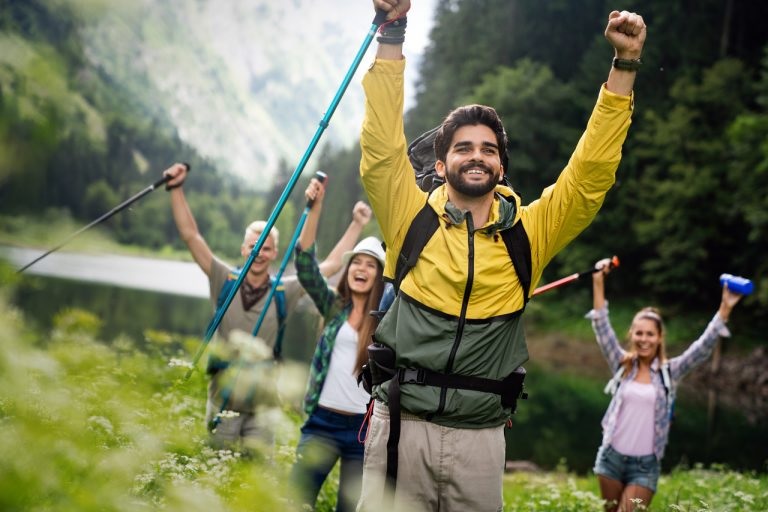
Day hikes are excellent introductions to a region, but backcountry trekking completely severs the traveler’s tether to modern infrastructure. Carrying everything needed for survival in a single pack fundamentally shifts your perspective of the landscape. Instead of viewing a forest or mountain range as a scenic backdrop, you must read the terrain for water sources, assess weather patterns, and manage your physical energy over a span of days. Point-to-point hikes, where a traveler starts at one trailhead and emerges days later at another entirely different location, offer a profound sense of geographical progression that a loop trail simply cannot match.
Slot Canyon Canyoneering
For those who prefer a more technical approach to exploration, canyoneering blends hiking, bouldering, rappelling, and swimming. Particularly popular in the deserts of the American Southwest, this activity involves navigating the narrow, water-carved fissures deep within sandstone plateaus. Canyoneering requires constant problem-solving. A single mile of canyon might require wading through chest-deep, freezing water, stem-climbing between narrow rock walls, and executing a blind rappel into a dark subterranean chamber. It is an intensely physical way to experience geology from the inside out.
Aquatic Immersion: Engaging with Moving Water
While the ocean or a mountain river might serve as a beautiful view for a standard tourist, the outdoor purist views bodies of water as dynamic environments waiting to be explored. Shifting your mode of transport from land to water changes entirely what you are able to see and access.
Expedition Sea Kayaking
Stand-up paddleboarding and casual lake kayaking are enjoyable afternoon diversions, but expedition sea kayaking is a premier way to explore rugged coastlines. By packing camping gear into watertight bulkheads, travelers can navigate shallow tidal zones, explore sea caves, and access remote island beaches that are completely unreachable by larger boats or overland vehicles. Gliding silently across the water also provides unprecedented opportunities for marine wildlife observation, allowing paddlers to share the water with surfacing seals, migrating whales, and nesting seabirds without the disruptive roar of an outboard motor.
Whitewater River Running
If sea kayaking is about quiet endurance, whitewater rafting and river running are about reading and reacting to raw kinetic energy. Multi-day river expeditions—where travelers navigate a river system during the day and camp on remote sandbars at night—offer an uninterrupted immersion into deep wilderness. Understanding how water flows around obstacles, recognizing the difference between a safe eddy and a dangerous hydraulic hole, and working in synchronized rhythm with a paddle crew forces travelers to be intensely present in the moment.
Vertical Exploration: Experiencing Altitude and Exposure
Mountains are meant to be scaled, but reaching the high alpine does not always require the elite technical skills of a free-solo rock climber. There are highly engaging ways to interact with vertical environments that bridge the gap between steep hiking and technical mountaineering.
Alpine Scrambling
Scrambling exists in the gray area between hiking and rock climbing. It requires ascending rocky, exposed ridges where the use of hands is necessary for balance and upward progression, but ropes and climbing harnesses are generally not required. Scrambling demands intense focus and careful route-finding. The reward is access to jagged, solitary peaks that the vast majority of standard trail hikers will never reach, offering sweeping, unobstructed views of the surrounding mountain ranges.
The Via Ferrata Experience
Originating in the European Alps and increasingly popular across North American mountain towns, a Via Ferrata (Iron Path) is a protected climbing route. These routes are equipped with fixed steel cables, iron rungs, pegs, and sometimes suspension bridges bolted directly into sheer cliff faces. Climbers wear a harness and clip themselves onto the steel cable as they ascend. This system allows individuals with minimal technical climbing experience to safely navigate massive vertical rock faces, providing the dizzying exposure and adrenaline of big-wall climbing without the associated lethal risks.
Ecological Observation and Ethical Foraging
Not all outdoor exploration requires high adrenaline or exhausting physical output. Sometimes, the most rewarding vacation activities involve drastically slowing down to observe the micro-details of a local ecosystem.
Wildlife Tracking
Rather than driving through a park hoping to spot an animal from the window of a car, dedicated outdoor enthusiasts practice the quiet art of wildlife tracking. This involves walking slowly through an environment to look for paw prints, disturbed vegetation, scat, and fur caught on bark. Tracking is essentially an ecological puzzle. It requires understanding an animal’s habits, their seasonal food sources, and their migration patterns. Even if the animal is never actually spotted, reading the story of its movements written into the dirt creates a profound connection to the local food web.
Ultimately, designing a vacation around outdoor exploration is about rejecting passive consumption. It is about choosing friction over convenience. Whether you are hauling a heavy pack over a high mountain pass, navigating a raft through a roaring canyon, or quietly tracing the tracks of a wild predator, these activities ensure that you do not just visit a natural destination—you actively participate in it.


