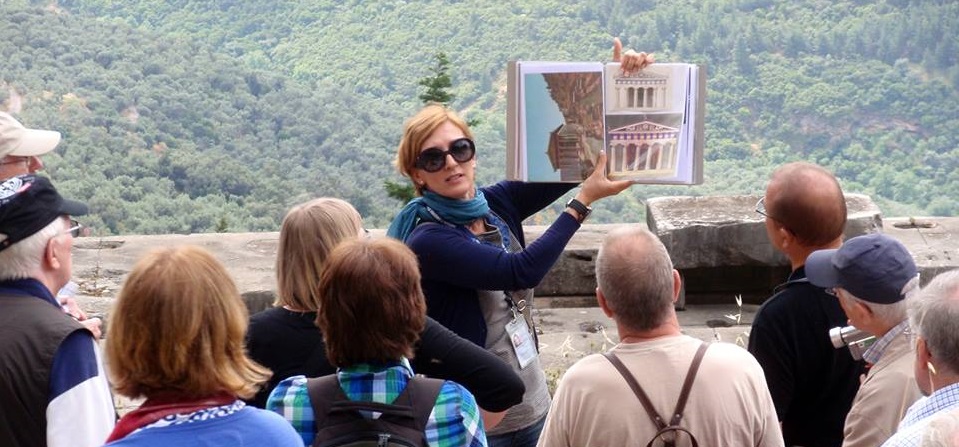
A Tour Guide plays a far more significant role than most travelers realize. Beyond sharing facts about locations, a guide acts as a cultural interpreter, logistical coordinator, safety manager, storyteller, and bridge between visitors and local communities. Within the first moments of meeting a guide, travelers often feel more grounded, informed, and confident about navigating unfamiliar environments. A skilled guide can turn a simple trip into a life changing experience by revealing context that travelers would never uncover on their own.
Understanding the Core Purpose of a Tour Guide
Guides are trained professionals who combine education, cultural knowledge, and communication skills to enhance the travel experience. Their work extends beyond information sharing. They support travelers psychologically, emotionally, and logistically, ensuring the journey feels both enriching and secure.
Why Tour Guides Are Essential in Modern Travel
Travel has become more complex due to cultural differences, safety concerns, and rapidly changing global policies. A Tour Guide helps travelers navigate these challenges by providing local expertise and real time insight.
Key reasons travelers rely on guides include:
- Immediate access to local customs and authentic experiences
- Reduced stress from planning and navigation
- Increased safety in unfamiliar environments
- Deeper understanding of cultural history and context
- Personalized recommendations tailored to individual interests
The Human Element of Guided Experiences
Guides bring destinations to life through stories, expressions, humor, and personal anecdotes. Travelers connect emotionally when they feel engaged by a guide who understands the environment intimately. This dynamic transforms sightseeing into a meaningful learning experience.
The Skills and Expertise That Define an Exceptional Tour Guide
Guiding is a professional discipline requiring advanced knowledge and a wide range of personal skills. The best guides demonstrate mastery in geography, history, communication, crowd management, and cross cultural sensitivity.
Cultural and Historical Literacy
Guides must understand the deeper context behind landmarks, traditions, and architecture. Their explanations rely on verified knowledge, storytelling skill, and the ability to adapt information to suit different travel groups.
Communication and Language Skills
Clear communication is essential, especially when guiding international groups. Many guides speak multiple languages and adjust their tone and delivery to match the needs of their audience.
Leadership and Group Management
Managing a travel group involves maintaining pace, ensuring safety, resolving conflicts, and reading group dynamics. Guides must stay attentive to energy levels, emotional cues, and physical limitations.
Problem Solving and Adaptability
Travel rarely goes exactly as planned. Weather changes, schedule disruptions, and transportation issues demand quick thinking. Guides must adapt instantly while staying calm and reassuring.
How Tour Guides Create Immersive Experiences
Immersion is at the heart of a great tour. A guide transforms static information into interactive learning opportunities that engage all senses.
Storytelling as a Teaching Tool
Well crafted stories help travelers connect emotionally with destinations. Guides use narratives about local heroes, historical events, and cultural rituals to make locations memorable.
Hands On Activities
Some guided tours include workshops, cooking lessons, craft demonstrations, or wildlife tracking. These activities deepen understanding and help travelers feel part of the community.
Sensory Engagement
Guides encourage travelers to taste local food, listen to regional music, observe intricate traditions, and explore authentic markets. Sensory experiences create lasting memories.
Types of Tour Guides and Their Specialized Roles
Different environments require unique guiding skills. Understanding guide types helps travelers choose experiences that fit their goals.
Cultural and Historical Guides
These guides specialize in museums, heritage sites, ancient cities, and architectural landmarks. They provide detailed explanations supported by historical evidence.
Adventure and Outdoor Guides
Outdoor guides lead hiking trips, climbing tours, wildlife safaris, and water adventures. They must possess outdoor survival skills, first aid certification, and knowledge of natural ecosystems.
Local Community Guides
These guides are often residents who share insights about neighborhood life, traditions, and everyday culture. Travelers gain a more intimate understanding of the region.
Culinary Guides
Food focused guides introduce travelers to regional dishes, market culture, cooking methods, and dining etiquette.
Academic and Specialist Guides
Some tours are led by scientists, historians, photographers, or researchers who offer expert level insight into complex topics.
Safety and Risk Management in Guiding
Safety is one of the primary responsibilities of a guide. Travelers depend on guides for direction in unfamiliar or unpredictable environments.
Situational Awareness
Guides constantly observe surroundings for potential hazards, from slippery paths to aggressive wildlife. Their awareness helps prevent accidents.
Emergency Preparedness
Professional guides carry first aid supplies, communication tools, and emergency action plans. They are trained to respond quickly to injuries, environmental risks, or unexpected disruptions.
Cultural Safety
Respecting local customs protects travelers from unintentional offense. Guides help visitors navigate traditions, dress codes, and etiquette.
The Economics and Community Benefits of Tour Guides
Tour guides contribute significantly to local economies and cultural preservation.
Supporting Local Employment
Guides often work with hotels, transportation companies, restaurants, and local artisans. Their income helps sustain families and regional businesses.
Protecting Cultural Heritage
Guides educate travelers about respectful behavior, environmental protection, and historical authenticity. This helps preserve cultural sites and traditions.
Encouraging Ethical Tourism
Guides advocate for sustainable practices such as minimizing waste, supporting local shops, and choosing community owned businesses.
How Tour Guides Personalize Travel Experiences
Personalization distinguishes a great guide from a good one. Tailored experiences resonate deeply with travelers.
Understanding Traveler Preferences
Guides ask questions about interests, hobbies, comfort levels, and cultural expectations. These insights shape the itinerary.
Adapting the Pace and Content
Some groups prefer fast paced exploration, while others want slower, introspective travel. A skilled guide adjusts accordingly.
Insightful Recommendations
Guides suggest hidden attractions, local cafes, scenic routes, and cultural events that may not appear in travel guides.
Technology and the Evolution of Guiding
Digital tools support guides without replacing the human touch. Technology enhances efficiency, accuracy, and overall experience.
Navigation and Mapping Tools
Guides use digital maps, satellite tools, and route tracking systems to avoid delays and optimize travel flow.
Interactive Presentations
Some guides incorporate tablets, visuals, or audio equipment to enrich explanations.
Communication Platforms
Messaging apps allow guides to coordinate meeting points, provide updates, and share additional resources with travelers.
Becoming a Tour Guide as a Professional Career
Guiding is a rewarding career path that requires passion, discipline, and continuous learning.
Training and Certification
Many guides complete specialized courses covering history, geography, safety, and hospitality. Certifications improve credibility and employment opportunities.
Developing a Unique Guiding Style
Guides build personal brand identity through storytelling, cultural insight, and personality. Tourists often remember guides more vividly than attractions.
Continuous Learning
Great guides constantly update their knowledge to include new historical findings, cultural trends, and local developments.
Frequently Asked Questions
How can a traveler tell if a tour guide is truly knowledgeable
A knowledgeable guide can answer questions confidently, provide context beyond basic facts, and adapt explanations to different learning styles. They demonstrate deep familiarity with local culture rather than relying on memorized scripts.
What should travelers do if they feel uncomfortable asking questions during a tour
Guides are trained to encourage curiosity. Travelers can approach them privately during breaks or after the tour ends. Guides appreciate engagement because it helps them tailor explanations.
Are private tours better than group tours
Private tours allow for more customization and one on one interaction. Group tours offer lower cost and social interaction with other travelers. The choice depends on comfort level, budget, and desired pace.
How much should travelers tip a tour guide
Tipping practices vary by region, but travelers typically offer a percentage of the tour cost or a flat amount based on service quality. Guides appreciate recognition for exceptional effort.
What happens if a traveler gets separated from the group
Guides provide contact information, meeting points, and safety instructions at the start of the tour. Travelers should follow these guidelines and notify the guide immediately through phone or messaging apps.
If you would like, I can create additional content focused on specialized guiding topics such as adventure guiding, cultural interpretation, eco friendly tour operations, or guide based storytelling techniques.