
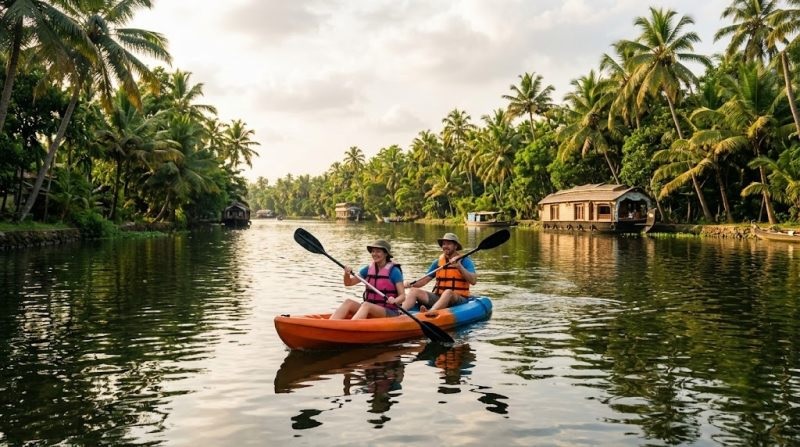
There is an inherent limitation to exploring nature by foot or by motorized vehicle. Hiking trails, no matter how remote, restrict you to a predetermined path carved into the dirt. Motorboats, while powerful, tether you to deep channels and announce your arrival with the grinding roar of an engine. If you want to truly understand the anatomy of a waterway, you have to get down to the water’s level and move at a human pace.
Kayaking offers a passport to the hidden corners of the natural world. It strips away the noise and the physical barriers between the explorer and the environment. By sitting just inches above the water line, kayakers are granted an immersive, panoramic perspective that simply cannot be replicated from the deck of a larger vessel or the shoreline of a trail. Whether you are slicing through the glassy surface of an alpine lake or navigating the rhythmic swells of a jagged coastline, kayaking transforms a simple outdoor excursion into a profound act of exploration.
Unmatched Access to Hidden Waterways
The physical geometry of a kayak is its greatest logistical advantage. Because they possess an incredibly shallow draft, kayaks require mere inches of water to stay afloat. This minimal displacement is the key to unlocking untouched ecosystems that are entirely off-limits to larger boats.
When exploring a sprawling lake, motorized vessels are forced to drop anchor well before the water gets interesting. A kayak, however, can glide effortlessly into secluded coves, slide over submerged sandbars, and weave through dense thickets of water lilies. On coastal routes, sea kayakers can paddle directly into echoing sea caves and navigate narrow, rocky inlets that would tear the hull off a conventional boat. This level of access allows you to leave the crowded marinas and heavily trafficked waterways behind, discovering private beaches and pristine shorelines that few people ever get to witness.
A Front-Row Seat to Unfiltered Wildlife Encounters
Wildlife is naturally evasive. The snap of a twig on a hiking trail or the vibration of a boat propeller will send animals scattering long before you have the chance to pull out a camera. Kayaking fundamentally changes this dynamic by offering the element of silence.
A well-executed paddle stroke makes almost no sound, allowing you to move through an ecosystem as a quiet observer rather than a loud intruder. This acoustic advantage facilitates breathtaking wildlife encounters. Inland, it is common for kayakers to drift silently past blue herons stalking fish in the shallows, or to watch deer drinking from the riverbank completely undisturbed by your presence. Along the coast, the experience is even more dramatic. Harbor seals will frequently pop their heads above the water to inspect a passing sea kayak, while dolphins and sea turtles are known to swim casually alongside the hull. You are no longer just looking at nature; you are actively participating in it.
Adaptability Across Diverse Aquatic Environments
One of the most compelling benefits of kayaking is its incredible versatility. The same core skill set can be applied to vastly different environments, each offering a distinct flavor of exploration.
The Serenity of Lakes
For those seeking tranquility and a space to decompress, lake kayaking offers a smooth, reliable canvas. Without the constant push of a river current or the unpredictable heave of ocean tides, lakes provide a highly controlled environment. The stillness of the water often creates a perfect mirror image of the surrounding forests and mountain peaks. It is the ideal setting for long, meditative paddles, photography, or simply floating in the center of a massive body of water, far removed from the digital demands of modern life.
The Dynamic Pulse of Rivers
Exploring a river introduces the element of constant motion. A river is a living, breathing geological force, and navigating it requires you to read the water. Kayakers learn to identify where the current accelerates, where the deep channels flow, and where the gentle eddies offer a place to rest. River kayaking is inherently dynamic because the landscape is continuously unfolding around the next bend. You are traveling through valleys and canyons under the power of the water itself, making it a highly engaging and physically rewarding way to travel from one point to another.
The Rugged Majesty of Coastlines
Sea kayaking is the most adventurous tier of flatwater exploration. The ocean is dictated by tides, winds, and rolling swells, requiring a higher degree of physical awareness and respect for the elements. However, the payoff is extraordinary. Coastal kayaking grants you access to dramatic cliff faces, tidal pools teeming with marine life, and isolated barrier islands. The sheer scale of the ocean, combined with the rugged beauty of the shoreline, makes coastal kayaking an awe-inspiring experience that tests your endurance while rewarding you with unparalleled scenic vistas.
The Physical and Mental Dividends of the Paddle
Beyond the environmental access, the act of kayaking delivers a potent combination of physical conditioning and psychological relief.
From a fitness perspective, kayaking is a highly efficient, low-impact workout. While it may look like an arm exercise, proper paddling technique is driven entirely by the rotation of the torso. Every stroke engages the core, the obliques, and the deep muscles of the back, building functional strength without subjecting the knees and hips to the punishing impact of running. It builds cardiovascular endurance while protecting the joints, making it a sustainable lifelong pursuit.
Mentally, the benefits are even more profound. Environmental psychologists frequently study the concept of “blue space”—the psychological calming effect that bodies of water have on the human brain. The rhythmic, repetitive motion of dipping the paddle into the water induces a state of active meditation. It forces you to remain present, focusing on the balance of the boat and the movement of the water, effectively silencing the background anxiety of daily life.
Ultimately, a kayak is much more than a molded piece of plastic or fiberglass. It is a highly specialized tool for curiosity. By offering silent movement, shallow access, and a waterline perspective, it allows us to map the veins and arteries of the natural world in a way that nothing else can.


