
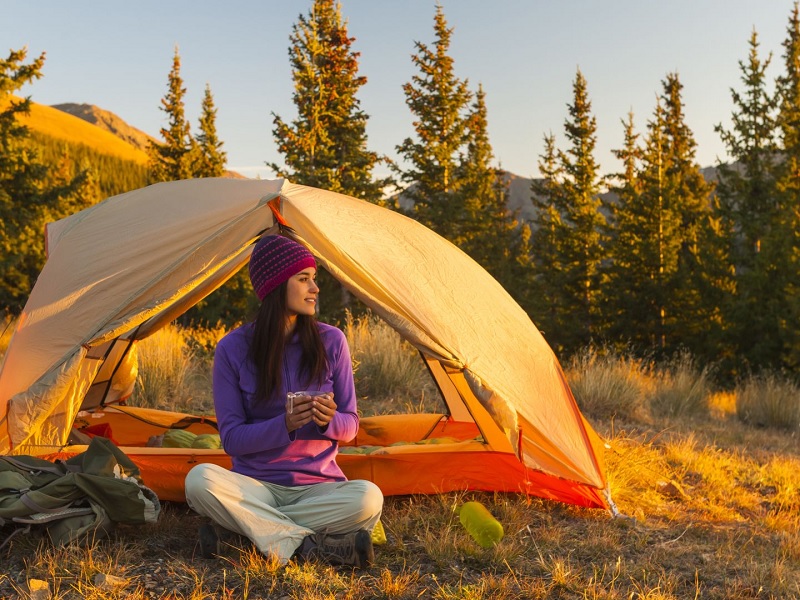
Stepping off the pavement and into the deep backcountry offers a sense of absolute freedom that modern life rarely provides. The appeal of rugged ridgelines, old-growth forests, and silent, starlit nights drives millions of people into the wilderness every year. However, this environment is notoriously indifferent to your weekend itinerary. The transition from casual, highly managed car camping to true wilderness exploration requires a fundamental shift in both mindset and preparation.
When you are miles away from the nearest cell tower and hours from professional medical intervention, self-reliance is no longer a philosophical concept; it is a strict biological necessity. Ensuring a safe return to civilization means building a foundation of knowledge that anticipates the chaotic, unpredictable nature of the wild.
The Foundation of Survival: Itineraries and Communication
The single most effective safety mechanism you can deploy costs absolutely nothing and requires no specialized gear. Before you ever pack your backpack, you must establish a concrete communication protocol with someone back home.
The Power of a Detailed Float Plan
In search and rescue operations, time is the ultimate enemy. If you become immobilized, rescue teams cannot help you if they do not know you are missing. Always leave a detailed itinerary, often called a float plan, with a trusted friend or family member. This document should outline your exact trailhead, your planned route, your vehicle’s make and license plate, and your absolute latest return time. If you do not check in by that designated deadline, your contact knows exactly when to alert the authorities and exactly where they should begin the search.
Modern Communication Devices
Relying on a smartphone for wilderness communication is a dangerous gamble. Cell service evaporates rapidly once you enter mountainous terrain or dense forests. For serious wilderness exploration, invest in a Personal Locator Beacon (PLB) or a satellite messenger. These devices utilize satellite networks to send basic check-in messages to your family and, crucially, feature an SOS button that transmits your exact GPS coordinates directly to regional search and rescue dispatchers in the event of a catastrophic emergency.
Mastering Navigation Beyond the Screen
The advent of GPS mapping applications has revolutionized backcountry navigation, but it has also created a dangerous reliance on fragile technology. A smartphone can drop into a river, freeze in sub-zero temperatures, or simply run out of battery. When the screen goes black, you are instantly flying blind.
Technology should augment your navigation, not replace it. You must carry a physical, waterproof topographical map of your region and a high-quality baseplate compass. More importantly, you must know how to use them together. Understanding how to orient a map to true north, identify terrain features like saddles and spur ridges, and shoot a basic bearing are non-negotiable skills. If you become disoriented, physical navigation tools are the only guaranteed method of finding your way back to a marked trail.
Environmental Threats: Weather and Exposure
More campers perish from exposure to the elements than from wildlife attacks or traumatic falls. Hypothermia is insidious; it does not require freezing winter temperatures to take hold. A sudden summer rainstorm combined with dropping evening temperatures and a sharp wind is a recipe for a rapid drop in core body temperature.
The Absolute Rule of Layers
Surviving drastic temperature swings requires a modular approach to clothing. Never wear cotton in the backcountry. Cotton traps moisture against your skin and loses all its insulating properties when wet, earning it the grim moniker “death cloth” among mountaineers.
Instead, rely on a moisture-wicking base layer made of merino wool or synthetic fibers to pull sweat away from your body. Add a mid-layer, such as a fleece or a down jacket, to trap body heat. Finally, always carry a dedicated, breathable waterproof shell. Even if the forecast calls for clear, sunny skies, mountain microclimates are notoriously unpredictable, and a dry camper is a safe camper.
Wildlife Encounters: Coexisting Safely
Sharing the woods with apex predators and large herbivores requires situational awareness and strict camp hygiene. Most wildlife wants absolutely nothing to do with humans. Dangerous encounters usually occur when an animal is startled, protecting its young, or habituated to human food.
Odor Management and Food Storage
Bears, raccoons, and rodents possess highly sensitive olfactory systems. If your camp smells like food, it will attract visitors. Your tent must remain a completely sterile environment. Never bring snacks, wrappers, or scented toiletries into your sleeping quarters.
Depending on local regulations, you must secure all food, trash, and scented items in a bear-resistant canister or execute a proper bear hang at least ten feet off the ground and four feet out from the trunk of a tree. Additionally, cook your meals and store your food at least two hundred feet away from your sleeping area downwind. If a bear investigates the scent of your dinner, they should be investigating an empty patch of dirt, not your tent.
Water Sourcing and Pathogen Purification
The sight of a crystal-clear, fast-flowing alpine stream can be incredibly tempting after miles of strenuous hiking. However, clarity is not an indicator of purity. That pristine water can harbor invisible, debilitating pathogens like Giardia, Cryptosporidium, and various strains of bacteria deposited by upstream wildlife.
Never drink untreated backcountry water. Hydration planning requires redundancy. Carry a primary mechanical water filter—such as a hollow-fiber membrane squeeze filter—that physically removes protozoa and bacteria. Because mechanical filters can clog or freeze, you must also carry a chemical backup, such as iodine tablets or chlorine dioxide drops. Boiling water for a rolling minute is also a foolproof method for neutralizing all biological threats, though it consumes precious stove fuel.
First Aid and Emergency Preparedness
A basic drugstore first aid kit is entirely insufficient for wilderness trauma. Backcountry kits must be tailored to address the specific injuries most likely to occur miles from a hospital: severe bleeding, orthopedic injuries, and deep blisters.
Your kit should include wound irrigation tools, athletic tape, moleskin for blister management, a SAM splint for stabilizing fractures, and a tourniquet for life-threatening arterial bleeding. Crucially, owning the gear is useless if you do not know how to deploy it under pressure. Taking a Wilderness First Aid (WFA) certification course is one of the most valuable investments a camper can make, teaching you how to improvise treatments and stabilize a patient until professional extraction is possible.
Exploring the backcountry is one of the most rewarding pursuits available to the modern adventurer. However, the wilderness demands respect. By prioritizing communication, mastering physical navigation, managing your environmental exposure, and treating your environment with cautious reverence, you strip away the unnecessary risks. True freedom in the outdoors does not come from recklessness; it comes from the quiet, unshakeable confidence of being entirely prepared for whatever the wild decides to throw your way.


