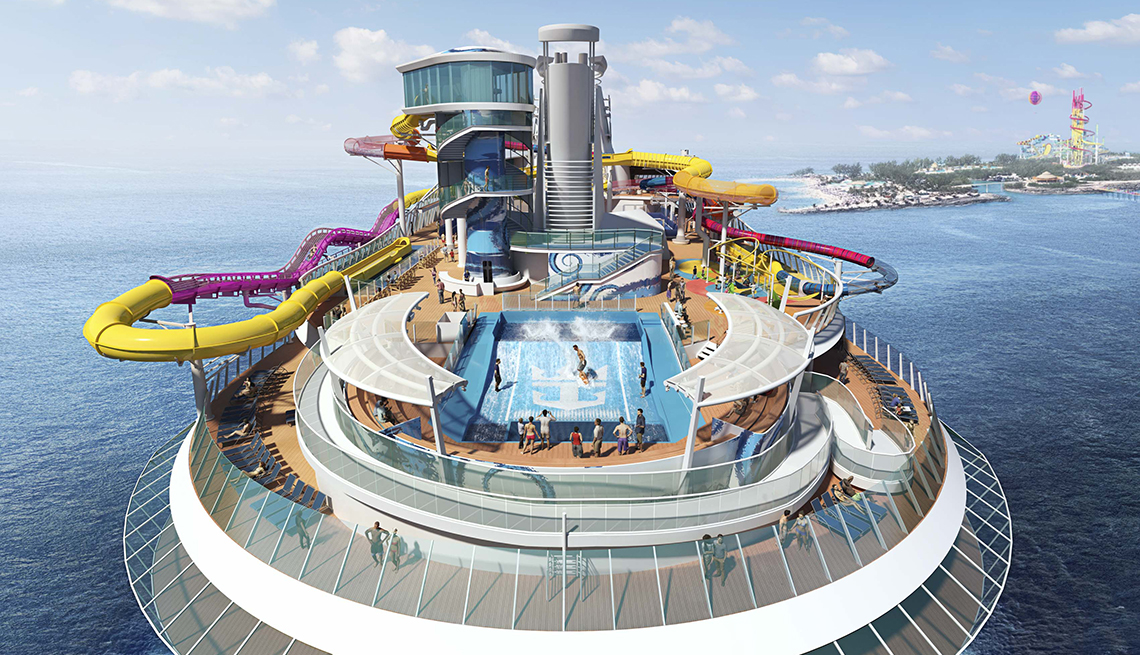
A Cruise Ship represents far more than a vessel designed for leisure. It is a floating city, a mobile resort, and a complex engineering achievement that blends hospitality, navigation, safety science, and cultural experience into a single ecosystem. Within the first few hours on board, passengers notice how seamlessly mobility, entertainment, technology, and international service operations combine to create a complete travel environment. The scale and coordination required to run a large ship make the industry one of the most sophisticated sectors in global tourism.
Understanding the Structure and Function of a Cruise Ship
Cruise ships operate like small self contained societies. With thousands of passengers and crew on board, every system must function with precision. Power generation, water treatment, navigation, hospitality operations, and safety infrastructure work continuously to maintain stability and comfort.
The Floating City Concept
The design of a modern cruise ship includes advanced residential style cabins, restaurants, performance theaters, recreation spaces, medical facilities, and emergency command centers. This structure allows the vessel to operate independently while traveling across oceans for extended periods.
Key components include:
- Multi deck residential areas with varied cabin types
- Industrial kitchens and food storage systems designed for long voyages
- Waste and recycling facilities that comply with strict environmental standards
- State of the art navigation and communication equipment
- Stabilization systems that reduce motion in rough seas
Engineering and Hydrodynamic Design
Shipbuilders shape hulls and propulsion systems to maximize efficiency, reduce energy use, and maintain stability. The hydrodynamic design ensures smooth movement through water while maintaining passenger comfort.
Important engineering considerations include:
- Hull curvature that reduces drag
- Propulsion systems optimized for long distance travel
- Stabilizer fins that minimize rolling
- Vibration control mechanisms
- Engine placement that balances the vessel’s weight distribution
Hospitality at Sea and the Guest Experience
Cruise travel combines transportation with resort level amenities. The industry focuses heavily on service, guest engagement, entertainment, and curated travel experiences.
Accommodations and Comfort
Cabins range from compact interior rooms to luxury suites with private balconies. Each category is carefully designed to maximize space, ventilation, and comfort.
Features often include:
- Climate controlled environments
- Multi functional furniture for efficient storage
- Soundproofing to enhance sleep quality
- Personalized service options
Dining and Culinary Innovation
One of the defining features of cruise travel is its culinary variety. With guests from multiple regions, chefs design menus that reflect international flavors, dietary needs, and cultural preferences. Large ships may support dozens of dining venues, each with specialty themes.
Entertainment and Recreation
Cruise ships offer a wide range of activities to keep passengers engaged throughout their journey. Entertainment programs are planned months in advance and often involve performers, athletes, and experts in multiple disciplines.
Common options include:
- Live theater productions
- Fitness centers and sports courts
- Water parks and pools
- Educational workshops
- Cultural performances based on destination themes
Navigation, Route Planning, and Maritime Expertise
The logistical planning behind a cruise itinerary is extensive. Routes must consider weather patterns, ocean currents, port availability, cultural events, and environmental regulations.
The Role of the Bridge Crew
Highly trained captains and navigators use advanced radar, satellite systems, and maritime charts to guide the vessel. They must continuously analyze sea conditions and make decisions that ensure safety.
Weather and Ocean Monitoring
Cruise ships rely on real time data to avoid storms, rough seas, and dangerous currents. Meteorologists often work directly with navigation teams to adjust routes when needed.
Port Coordination
Each port visit requires careful planning. Docking schedules, customs procedures, local transportation coordination, and passenger flow systems must align smoothly to maintain timing and safety.
Safety Systems and Emergency Preparedness
Safety is one of the most regulated aspects of cruise operations. Ships must follow international maritime standards and maintain readiness for any emergency situation.
Fire and Damage Control
Onboard fire safety includes sprinkler systems, heat sensors, isolated fire zones, and trained response teams capable of containing threats quickly.
Lifesaving Equipment
Cruise ships contain enough lifeboats, rescue craft, and flotation devices for every passenger and crew member. Mandatory safety drills ensure guests understand emergency procedures.
Medical Facilities
Large ships include clinics staffed with medical professionals who handle routine care, emergency treatment, and health monitoring for passengers throughout the voyage.
Environmental Responsibility and Marine Conservation
Cruise operations must meet strict environmental policies designed to protect marine ecosystems and reduce ecological impact.
Waste Management and Water Treatment
Ships use advanced systems to purify wastewater, recycle materials, and manage trash responsibly. Onboard facilities often rival those found in land based municipal systems.
Fuel Efficiency and Emissions Reduction
Many modern cruise ships use cleaner fuels, optimized engines, and hybrid power solutions to lower emissions. Energy efficient lighting, heat recovery systems, and smart climate controls reduce power consumption.
Conservation Practices
Educational programs onboard encourage passengers to respect wildlife and ocean environments. Shore excursions often include conservation minded activities.
Behind the Scenes: Crew Life and Operational Structure
The success of a cruise ship relies heavily on its crew. These individuals live and work on board for extended periods, often coming from dozens of countries.
Chain of Command
Cruise ships operate on a structured hierarchy similar to naval vessels. Departments include navigation, engineering, hospitality, entertainment, security, medical services, and housekeeping.
Crew Training and Skill Development
Staff members receive ongoing training in hospitality, safety, technical skills, and cultural awareness. Continuous learning ensures high service standards and passenger safety.
Work and Living Conditions
Crew members live in dedicated cabins and have access to lounges, dining areas, and recreational facilities. This helps maintain morale during long voyages.
Economic and Cultural Impact of the Cruise Industry
Cruise ships influence global tourism, regional economies, and cultural exchange.
Boost to Local Economies
Ports benefit from passenger spending, local tours, transportation services, and supply shipments. Many coastal communities rely heavily on cruise tourism for financial stability.
Cultural Exchange
Passengers experience multicultural entertainment, cuisine, and social interactions on board. Port visits expose travelers to local culture, crafts, music, and history.
Supply Chain Networks
Cruise operations involve complex international supply chains that include food production, logistics, engineering parts, textiles, and entertainment equipment.
Cruise Ship Design Trends and Future Innovations
As the industry grows, cruise ships evolve to include new technologies, materials, and guest experiences.
Smart Ship Technology
Digital tools enhance navigation, safety, and passenger convenience. Examples include mobile apps for onboard services, digital keys, and advanced entertainment systems.
Energy Efficiency Advances
Future ships may rely on renewable energy, improved battery storage, and low impact propulsion systems. Innovations aim to reduce emissions and protect ocean habitats.
Enhanced Accessibility
Designers are improving accessibility for passengers with mobility challenges, vision differences, or medical needs. Accessible staterooms and specialized equipment ensure inclusive travel.
New Forms of Entertainment
As onboard facilities expand, passengers can experience immersive virtual reality zones, high ropes courses, observation domes, and culinary labs.
Frequently Asked Questions
What is the best way to choose a cruise itinerary for travelers who want both adventure and relaxation
A balanced itinerary includes a mix of scenic cruising days and port stops that offer cultural, outdoor, or water based activities. Longer routes typically provide more opportunities to explore while still giving passengers time to rest on board.
How do cruise ships maintain food quality across long voyages
Ships use advanced storage systems, temperature controlled rooms, and inventory planning procedures that allow chefs to keep ingredients fresh. Supplies are often loaded at multiple ports during a voyage to maintain variety and quality.
What should first time cruisers know about onboard payments and budgeting
Most ships use a cashless system where charges are added to an onboard account. Travelers should set a budget for dining upgrades, excursions, and entertainment to avoid overspending.
How do ships handle medical emergencies when they are far from land
Medical teams stabilize patients and coordinate with coastal authorities for evacuation if necessary. Ships work with helicopter services or nearby ports depending on the situation and distance.
Why do some passengers experience seasickness and how can they reduce symptoms
Seasickness occurs when the inner ear senses motion the body isn’t prepared for. Stabilizing fins, medication, ginger products, and choosing a mid ship cabin at a low deck level can help reduce discomfort.
If you would like, I can also create specialized content on ship engineering, crew life, port logistics, or passenger experience design.