

How to Choose the Right Destination and Transform Every Journey Into a Meaningful Experience

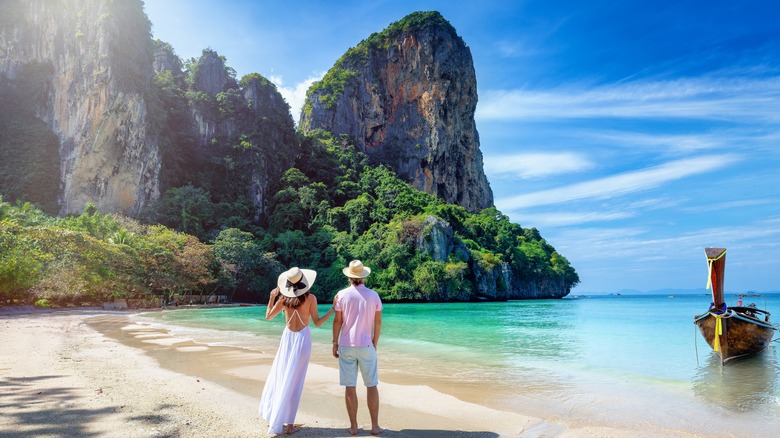
Selecting the right Destination shapes the entire travel experience, influencing emotions, learning opportunities, and long term memories. Travelers today no longer choose locations solely for scenery or convenience. Instead, they seek places that align with personal identity, cultural curiosity, wellness goals, or professional growth. A destination becomes a powerful framework through which individuals explore new perspectives, expand their skills, and deepen their understanding of different environments. When approached thoughtfully, it turns travel into a life changing experience rather than a simple getaway.
Understanding the Psychology Behind Destination Selection
Choosing a destination involves complex thinking that blends emotion, expectation, and logic. People gravitate toward travel experiences that fulfill internal needs, whether that means restoring mental balance, pursuing adventure, understanding history, or reconnecting with community.
Emotional Motivation in Travel Decisions
Emotions strongly influence how people identify suitable locations. Some travelers choose quiet coastal towns for peace, while others prefer urban centers filled with fast paced energy. Emotional motivation often reflects what someone feels is missing in daily life. Recognizing these needs helps individuals make more meaningful choices.
Typical emotional drivers include:
- The desire for calmness and solitude
- Craving excitement, movement, or challenge
- Nostalgia for familiar places
- Curiosity about foreign cultures
- A need for personal growth and self discovery
Cognitive Factors That Shape Preferences
The mind processes travel options using past experiences, imagination, and perceived value. When imagining a destination, people picture themselves in that environment performing activities that matter to them. This visualization affects expectations and ultimately influences satisfaction.
Cognitive factors involve:
- Risk evaluation
- Expected comfort level
- Anticipated cultural differences
- Activity variety
- Perceived safety and stability
Personal Identity and Travel Alignment
Many travelers choose destinations that mirror their interests or long term goals. For example, someone who values sustainability might prioritize eco friendly locations. A history enthusiast may prefer ancient cities, while a wellness driven traveler might seek hot springs or natural retreats.
How Destination Infrastructure Shapes the Travel Experience
Infrastructure influences the efficiency, safety, and comfort of every trip. Even the most beautiful location can feel stressful without proper travel systems in place.
Transportation and Accessibility
The quality of transportation networks affects how easily travelers navigate an area. Airports, roads, public transit, and local mobility options contribute to overall convenience.
Important elements include:
- Airport size and connectivity
- Local train or bus systems
- Taxi and rideshare availability
- Walkability for short distance exploration
- Ferry systems for coastal or island travel
Hospitality and Accommodation Standards
Accommodations play a major role in shaping impressions of a destination. The type of lodging chosen should match the traveler’s intentions. A luxury resort supports relaxation, while a boutique hotel enhances cultural immersion.
Key lodging considerations include:
- Safety standards
- Cleanliness and room comfort
- Proximity to cultural centers
- Staff expertise and hospitality knowledge
- Dining options and dietary accommodation
Social and Cultural Infrastructure
Cultural institutions such as museums, heritage sites, performance halls, and traditional markets help travelers engage with local identity. These features enrich the experience and provide educational value.
Environmental Considerations When Choosing a Destination
Environmental factors influence both enjoyment and sustainability. Travelers increasingly seek places that preserve nature while offering immersive outdoor experiences.
Climate and Seasonal Patterns
Understanding local climate helps prevent discomfort and ensures the trip aligns with planned activities. Seasons affect everything from wildlife visibility to cultural events.
Seasonal elements to review:
- Rainfall levels
- Temperature ranges
- Humidity levels
- Wind conditions
- Storm or monsoon risks
Natural Attractions and Ecosystems
The presence of mountains, forests, beaches, or deserts influences the appeal of a destination. These landscapes support hiking, diving, photography, and wildlife exploration.
Sustainability Practices
Environmentally conscious destinations prioritize responsible tourism, including conservation zones, recycling programs, eco friendly lodging, and wildlife protection policies.
Cultural Depth as a Key Factor in Selecting a Destination
Culture enriches travel through food, traditions, festivals, and shared values. Travelers who engage respectfully with local communities gain more authentic experiences.
Cultural Immersion
Immersive travel allows visitors to participate in daily life instead of remaining at a distance. This includes tasting regional cuisine, learning basic phrases, volunteering, or participating in local workshops.
Festivals and Seasonal Celebrations
Many travelers plan trips around festivals due to their cultural and emotional significance. These events offer insight into artistic expression, spirituality, and community values.
Local Etiquette and Social Norms
Understanding etiquette helps travelers avoid misunderstandings and show respect. Simple gestures, greetings, and dress considerations ensure a positive interaction with residents.
Economic Impact and Destination Appeal
Travel choices affect local economies. Many destinations rely heavily on tourism, and responsible visitor behavior supports sustainable growth.
How Tourism Shapes Local Development
Tourism revenue influences job creation, infrastructure expansion, and preservation of historical sites. Popular destinations reinvest in transportation, housing, and cultural protection.
Cost Efficiency and Value Perception
Affordability does not always equal low quality. Some regions offer exceptional value due to favorable exchange rates or lower cost of living. Understanding pricing structures helps travelers plan realistically.
Matching Destination Type With Travel Purpose
The ideal destination depends largely on the intention of the trip. Different goals require different environments.
Adventure Focused Destinations
Adventure travelers seek activities that challenge physical and mental endurance. Locations with mountains, rivers, and rugged terrain support rock climbing, whitewater rafting, or trekking.
Wellness and Rehabilitation Destinations
Wellness focused destinations emphasize relaxation, healing, and rejuvenation. They often include natural hot springs, meditation retreats, spas, and botanical settings.
Cultural and Educational Destinations
Educational travelers prioritize museums, historical sites, architectural landmarks, and academic programs.
Luxury and Leisure Destinations
High end resorts, premium culinary experiences, and exclusive attractions appeal to luxury travelers seeking comfort and elegance.
The Role of Technology in Destination Planning
Technology has changed how people research, book, and experience travel.
Digital Research and Virtual Exploration
Virtual tours, satellite maps, and local guides allow travelers to preview destinations before arrival. This helps set realistic expectations.
Mobile Apps and Real Time Data
Apps assist with translation, local navigation, weather forecasts, event updates, and dining recommendations.
Social Media Influence
Social platforms inspire travel trends but must be used thoughtfully. Images often highlight only the most polished aspects of a location, so independent research remains important.
Long Term Travel Strategy and Destination Rotation
Experienced travelers create strategic travel plans that span multiple years. Rotating destination types prevents burnout and enriches long term travel satisfaction.
Balancing Familiarity and Novelty
Returning to a favorite destination can be comforting, while exploring new environments stimulates curiosity.
Considering Long Term Global Shifts
Global developments such as climate change, cultural preservation efforts, and infrastructure growth influence destination availability and future opportunities.
Frequently Asked Questions
How can travelers identify a destination that aligns with their personality
A helpful approach is to list personal values and preferred experiences. Someone who enjoys quiet reflection may choose locations with natural landscapes, while an energetic person might prefer vibrant cities. Matching personality traits to local activities ensures a more satisfying experience.
What is the best way to evaluate safety in an international destination
Travelers should review official advisories, understand local laws, and research neighborhood conditions. Speaking with recent visitors or local hosts can provide valuable real world insight into safety and comfort.
How can someone reduce cultural misunderstandings when visiting a destination with different customs
Learning basic greetings, practicing respectful dress, and observing how locals interact helps avoid miscommunication. Taking time to understand local etiquette creates smoother social interactions.
What role does food play in destination selection
Cuisine is often a major motivator for travel. Locations known for distinct food traditions offer deep cultural insight. Travelers benefit from researching dietary compatibility and local dining customs before arrival.
How can travelers avoid feeling overwhelmed when planning a multi destination trip
Breaking the plan into segments, focusing on manageable distances, and allowing rest days between destinations reduces stress. Using clear priorities ensures that each location receives adequate time and attention.
If you would like, I can create specialized guides on destination comparison, cultural immersion strategies, multi country route planning, or themed travel experiences tailored to your preferences.


